Table Of Content

Liatris spicata offers bottle-brush-like blooms and comes in white as well as purple, whilst pastel-hued dahlias are always a favorite with their intricate flowers. Paint the sides of the beds white to help reflect the light and add to the feeling of space. What's more, the stark contrast between the soft, colorful petals and corrugated metal backdrop behind adds a refreshing twist that feels totally modern.
... Or Make a Natural Stone Path
The half-logs, finished with an attractive cedar stain, are attached to a flexible plastic backing, allowing for installation around curved and straight garden beds alike. A flower bed doesn’t have to be filled with greenery, flowers, and mulch to be attractive. There are plenty of ways to introduce a gorgeous rock garden to your space while still improving the overall aesthetics. In addition to possessing a simple beauty, rock gardens tend to be easy to maintain with fewer plants and flowers to tend to. If you’re looking to make a DIY raised garden bed that’s one-of-a-kind, why not convert an old tree stump into a flower bed? Carve out the stump a bit (if necessary), add some soil, and plant a few flower seeds to make the most of a stump that would otherwise be expensive or time consuming to remove.
Evaluating height, color, and foliage variations
(You can resize the planning grid in your plan’s Settings later if you need to.) Open the plan, but don’t bother to lay out beds or shapes. Simply cover the entire area of your future flower bed with several overlapping sheets of newspaper. Layer the paper at least six pages deep, then cover the newspaper with several inches of rich soil or compost. Over the next few months, the buried grass will die, and the newspaper will decompose while adding nutrients to the soil.
Limit yourself to what grows in your zone
Collect plants that have the appearance of being miniature-sized versions of larger plants or that can be pruned into small tree shapes. If you're thinking of adding a deck to your backyard, try one with built-in planters to create the illusion that the plants are growing right out of your deck. This is a great option if your yard is on the smaller side or for city living. If you want your flower beds to feel more natural and less planned, stick to natural landscaping.
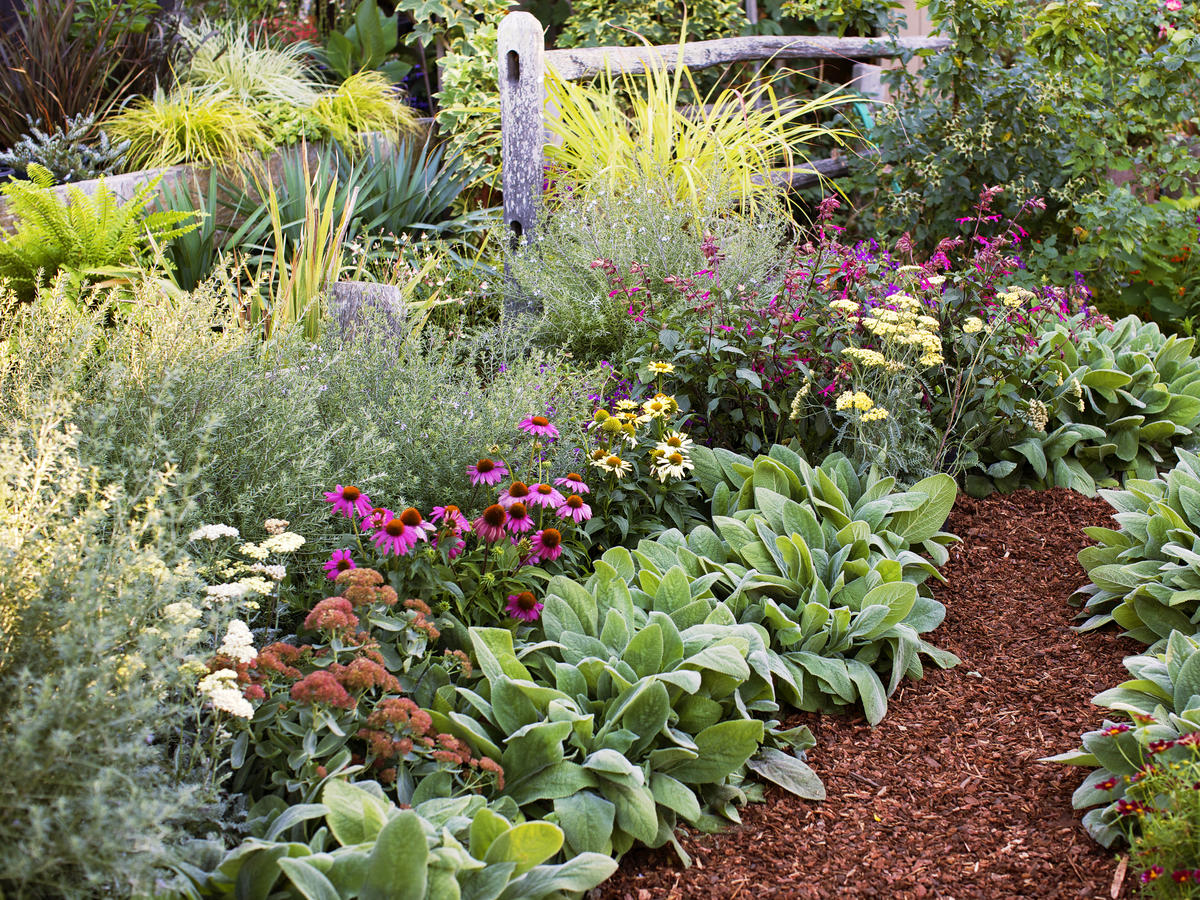
Instead, we're talking about raising up your flower beds to line a perimeter. This flower bed offers a sumptuous summer display, combining the likes of echinacea, phlox, nepeta, astrantia, and hardy geraniums. The rich hues of pink and purples are offset wonderfully by the prettily-pastel gladiolus. And, the scene will attract butterflies and bees too, adding an extra dose of life and vibrancy to your plot.
The photo on the left shows an island bed with a tree as the anchor, the structure on the right is open so you can see this bed from all sides. The photo was taken at the Boerner Botanic Garden in Hales Corner, Wisconsin; a great garden if you get a chance to visit. In the center is a butterfly wing shaped bed taken at the Michigan State Children's Garden. The photo on the right shows a series of small island beds that use mailboxes as their anchor.
Drill a hole in the base of the wheelbarrow, add soil, and plant some flowers for a decorative accent bed. If you're hoping to create a garden that is low maintenance, a gravel garden is the way to go. This approach involves growing mostly native plants in a bordered section of gravel that is laid over your landscape's natural soil. These beds are designed to thrive without the input of additional water, fertilizer, or other chemicals. Gravel garden beds also make it more difficult for weeds to get through. If you have limited room in your flower beds, make use of vertical space by adding a pergola.
Add a Comment
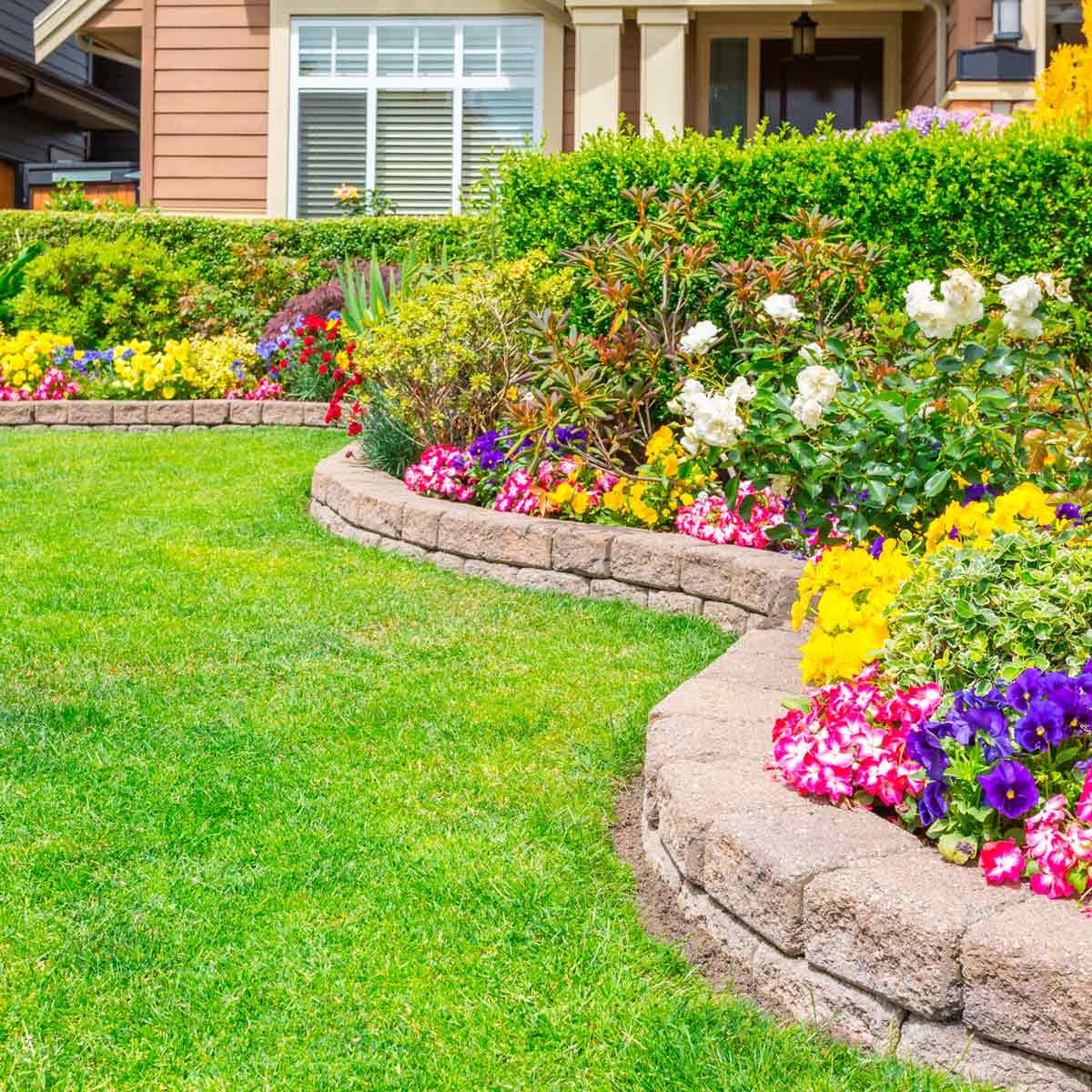
Short plants can be used in long narrow plantings to create borders on the edge of a bed. I’m using the Garden Planner to keep track of a new wildflower meadow being planted by volunteers. By publishing the plan, it becomes shareable (see this link to the simple designs shown above).
"They would also help with water management down the hill, which leads to soil erosion." This flower bed uses gentle curves to create a shape that naturally draws the eye to the entryway and makes the space feel more welcoming. To achieve this look, lay out a garden hose to outline the pattern first before digging the bed.
25 Flower Bed Ideas That Will Inspire Your Garden Design - Martha Stewart
25 Flower Bed Ideas That Will Inspire Your Garden Design.
Posted: Sat, 09 Mar 2024 08:00:00 GMT [source]
Once the turf has been removed, outline the area with some landscape edging made of plastic, stone, brick, or wood. Some quirky materials you can use for edging include glass bottles, large seashells, or decorative metal fencing. They can be a few inches to a few feet tall, which make gardening easier on the back, too. Gardening with children opens the door to compelling communication and a shared sense of satisfaction in creating a special space together. There are so many possibilities in creating a children’s garden and a refreshing easiness in allowing creativity to overrule organization.
Grow a garden up a trellis or arbor or build planters onto a wall for height. This often overlooked area is still an important part of your overall yard space and deserves some attention too. Planting flower beds is an easy and effective way to spruce up your side yard.
Most flowering annuals and perennials appreciate loamy soil with plenty of compost added to it. Make sure to rake away rocks or other debris from the site, break up large clods of dirt, and add compost to enrich the bed and encourage healthy plant growth. It's also a good idea to do a soil test to determine if you should add any nutrients your plants need to look their best. Using rocks as the structure of your raised bed will give your landscape welcome dimension.
Consider adding a retaining wall to your new or existing garden space to give the area an upgrade. Building pretty and functional wall will give your greenery height and provide a solid foundation for adding elevated floral beds. Long, narrow beds are best for this purpose, as you will want to be able to access the entire bed to harvest your flowers without trampling the rest of the plants. It’s also a great idea to create a map, and decide ahead of time, which flowers you want to plant, in what quantities, and where in your space each type of flower is planted. Rock gardens are another type of low-maintenance bed that can look quite manicured and elegant.
Designing a flower bed is a rewarding do-it-yourself project that can transform your outdoor space. Whether you have a large space with room for multiple gardens or a small backyard ready for something more compact, a well-designed flower bed adds beauty and enjoyment. In this guide, we will provide a step-by-step process for designing and planting a flower bed. When you’re thinking about adding elevated garden beds to your outdoor space, there are a number of creative ways to make your own. One timeless idea is to convert an old wheelbarrow into a raised bed.
Create a garden that is beautiful and functional by planting flowering herbs. "Turning a sunny flower bed into an herb garden offers multiple benefits—herbs are edible, aromatic, and beautiful," says Spoonemore. A few weeks ago when Mexican sunflower and many other favorites were added to the Garden Planner, I played around designing flowerbeds, and then played some more!
"Pollinators contribute to the overall health of your local ecosystem and foster biodiversity," says Spoonemore. Jeanette Marantos is a Features reporter focused primarily on plants, gardening and Southern California’s changing landscapes for the Los Angeles Times. Times Plants newsletter, which includes a calendar of upcoming plant-related events.


No comments:
Post a Comment